

Written by Dr. Mark Stengler NMD.
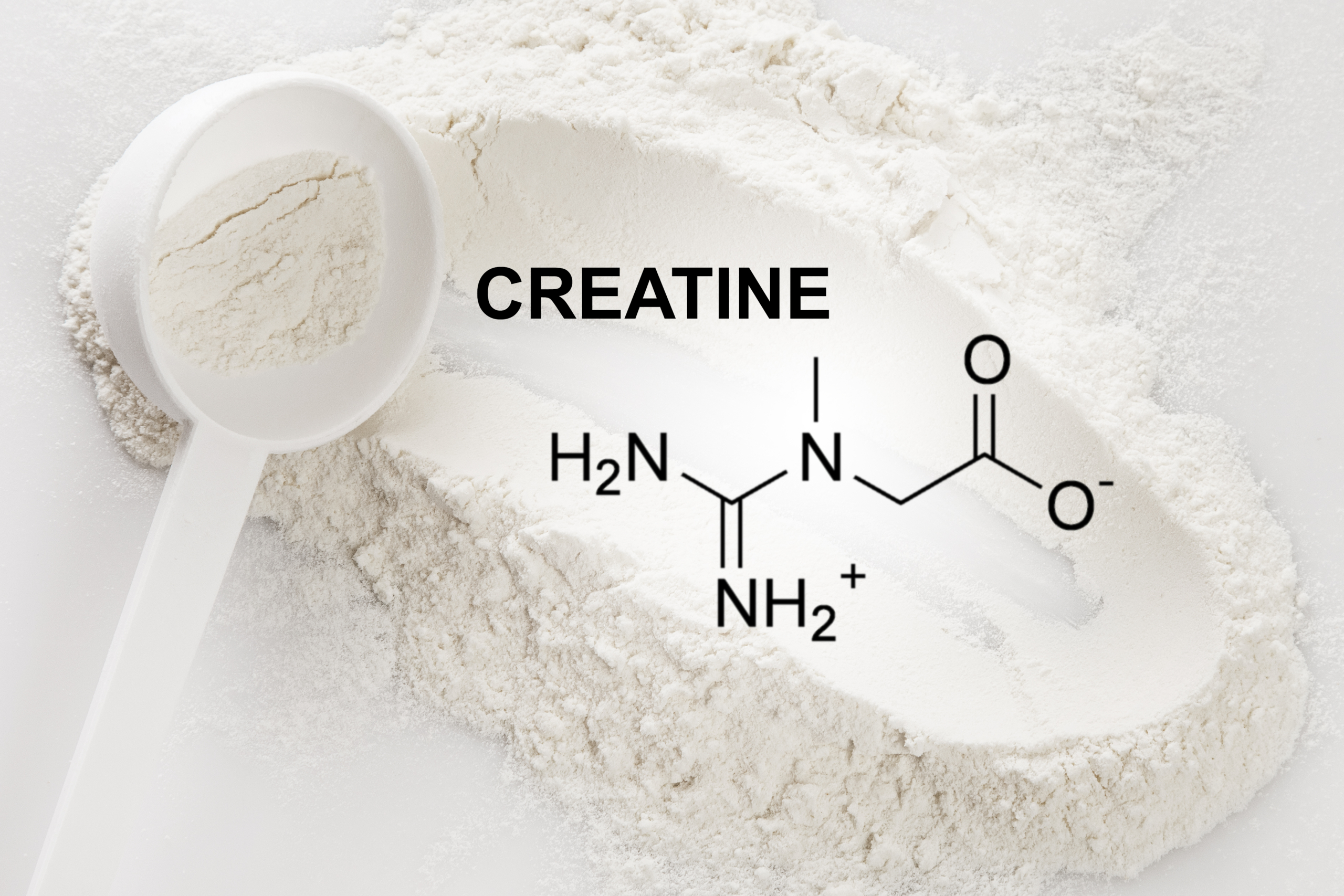
Creatine is a naturally occurring compound in the human body that plays a key role in energy production. It is especially important for tissues with high and rapid energy demands, such as muscles and the brain. This article explains what creatine is, how it works, where it comes from, and what research shows about its safety and benefits.
WHAT IS CREATINE AND WHERE DOES IT COME FROM
Creatine is a nitrogen‑containing compound made from three amino acids: arginine, glycine, and methionine. The body produces creatine mainly in the liver and kidneys. Smaller amounts are also made in the pancreas and the brain.
The body cannot make enough methionine on its own, so it must come from the diet. Methionine is found primarily in animal‑based foods such as meat, poultry, and fish. Plant foods do not naturally contain creatine.
Because of this, people who follow vegetarian or vegan diets tend to have lower creatine levels. They may also have lower vitamin B12 levels, which are needed to support methionine metabolism. Research shows that people with lower baseline creatine levels often experience a greater increase in muscle creatine when they supplement than those who already consume creatine regularly through animal foods.
HOW CREATINE SUPPORTS ENERGY PRODUCTION
Energy in the body is stored in a molecule called ATP. When a muscle contracts or a nerve cell fires, ATP is used and converted to ADP. Inside muscle and brain cells, creatine is stored in a high‑energy form called phosphocreatine. Phosphocreatine acts as a rapid energy reserve.
An enzyme called creatine kinase transfers a phosphate from phosphocreatine back to ADP, instantly restoring ATP. This process happens much faster than producing ATP from glucose or oxygen.
Because of this system:
• Energy is available almost immediately
• Cells can sustain short, intense activity longer
• Fatigue is delayed during high‑energy demands
WHAT HAPPENS TO CREATINE IN THE BODY
Creatine and phosphocreatine are eventually broken down into creatinine, which is removed from the body by the kidneys.
About 95 percent of all creatine in the body is stored in skeletal muscle. Smaller amounts are found in the brain.
A typical diet that includes animal foods provides about 1 to 2 grams of creatine per day. Lacto‑ovo vegetarians consume about 0.03 grams per day, and vegans consume almost none.
Creatine levels tend to decline with age. This is likely due to reduced dietary intake, decreased organ function involved in creatine production, lower physical activity, and loss of muscle mass, which reduces storage capacity.
CREATINE SUPPLEMENTS
Creatine monohydrate is the most well‑studied and effective form of creatine. It reliably increases blood creatine levels and raises creatine content in muscle and brain tissue. It also improves physical performance and recovery.
There are over 1,000 peer‑reviewed scientific studies on creatine supplementation. Most research has focused on resistance training, muscle strength, endurance, power, and recovery, primarily in young, healthy adults.
Low dietary creatine intake has been linked with poorer health measures. National survey data have shown that children and adolescents with low creatine intake were shorter, weighed less, had lower lean body mass and bone mineral content, and had higher body fat levels than those consuming more creatine.
CREATINE SAFETY
Large analyses of hundreds of human clinical trials show that creatine supplementation does not increase the frequency or severity of side effects compared with placebo.
Average doses studied were approximately 12.5 grams per day, and long‑term studies lasting up to 21 months using 5 to 10 grams per day showed no harmful effects on general health or kidney function in healthy individuals.
Reported adverse events linked to creatine are extremely rare and often involve other substances or conditions not seen in controlled studies.
COMMON QUESTIONS ABOUT CREATINE
The following question and answers about creatine supplementation are from an article published in the Journal of the International Society of Sports Nutrition:
Does creatine cause water retention?
Short‑term increases in water inside muscle cells may occur, but long‑term studies show no meaningful increase in total body water relative to muscle mass.
Is creatine an anabolic steroid?
No. Creatine is not a hormone or steroid.
Does creatine damage the kidneys?
Controlled research shows no kidney damage in healthy individuals using recommended doses.
Does creatine cause hair loss?
Evidence does not show increases in testosterone or DHT, or an increase in hair loss, from creatine use.
Does creatine cause dehydration or muscle cramps?
Research does not support these claims.
Is creatine safe for children and adolescents?
Available evidence suggests creatine appears safe and may be beneficial, though research is more limited than in adults.
Does creatine increase body fat?
Creatine does not increase fat mass.
Is a loading phase required?
No. Daily doses of 3 to 5 grams effectively increase muscle creatine over time.
CREATINE IN OLDER ADULTS
Research increasingly shows that creatine, especially when combined with exercise, improves muscle mass, strength, and physical performance in older adults.
CREATINE BEYOND STRENGTH TRAINING
Creatine may benefit many types of physical activity, not just strength or power sports.
It can:
• Increase muscle glycogen storage when taken with carbohydrates
• Reduce muscle damage and soreness after intense exercise
• Improve recovery during periods of heavy training
• Reduce injury rates and muscle loss during immobilization
• Improve tolerance to exercise in hot conditions
Animal research also shows strong neuroprotective effects, including reduced severity of brain and spinal cord injury. These findings were strong enough that sports nutrition experts have recommended creatine for athletes at risk of concussion.
CREATINE IN FEMALES
Evidence shows creatine can be beneficial for females across the lifespan, with little to no reported side effects.
OTHER FORMS OF CREATINE
Research consistently shows that creatine monohydrate is the most effective and reliable form. Emerald German Creatine is the monohydrate form, of the highest purity, and micronized (ground into small particles) for better absorption and mixing into liquids.

Selected References
Antonio, J., Candow, D. G., Forbes, S. C., Gualano, B., Jagim, A. R., Kreider, R. B., Rawson, E. S., Smith-Ryan, A. E., VanDusseldorp, T. A., Willoughby, D. S., & Ziegenfuss, T. N. (2021). Common questions and misconceptions about creatine supplementation: what does the scientific evidence really show?. Journal of the International Society of Sports Nutrition, 18(1), 13. https://doi.org/10.1186/s12970-021-00412-w
Brosnan, J.T., da Silva, R.P. & Brosnan, M.E. The metabolic burden of creatine synthesis. Amino Acids 40, 1325–1331 (2011). https://doi.org/10.1007/s00726-011-0853-y
Candow, D. G., Forbes, S. C., Ostojic, S. M., Prokopidis, K., Stock, M. S., Harmon, K. K., & Faulkner, P. (2023). “Heads Up” for Creatine Supplementation and its Potential Applications for Brain Health and Function. Sports medicine (Auckland, N.Z.), 53(Suppl 1), 49–65. https://doi.org/10.1007/s40279-023-01870-9
Juneja, K., Bhuchakra, H. P., Sadhukhan, S., Mehta, I., Niharika, A., Thareja, S., Nimmakayala, T., & Sahu, S. (2024). Creatine Supplementation in Depression: A Review of Mechanisms, Efficacy, Clinical Outcomes, and Future Directions. Cureus, 16(10), e71638. https://doi.org/10.7759/cureus.71638
Kreider, R. B., Gonzalez, D. E., Hines, K., Gil, A., & Bonilla, D. A. (2025). Safety of creatine supplementation: analysis of the prevalence of reported side effects in clinical trials and adverse event reports. Journal of the International Society of Sports Nutrition, 22(sup1). https://doi.org/10.1080/15502783.2025.2488937
Pinto, C.L., Botelho, P.B., Pimentel, G.D. et al. Creatine supplementation and glycemic control: a systematic review. Amino Acids 48, 2103–2129 (2016). https://doi.org/10.1007/s00726-016-2277-1
Samantha Marshall, Alexandra Kitzan, Jasmine Wright, Laura Bocicariu, Lindsay S Nagamatsu, Creatine and Cognition in Aging: A Systematic Review of Evidence in Older Adults, Nutrition Reviews, 2025;, nuaf135, https://doi.org/10.1093/nutrit/nuaf135
Xu, C., Bi, S., Zhang, W., & Luo, L. (2024). The effects of creatine supplementation on cognitive function in adults: a systematic review and meta-analysis. Frontiers in nutrition, 11, 1424972. https://doi.org/10.3389/fnut.2024.1424972